Fra randen af kollaps til vild succes
Selvom bestanden af bighorn sheep i de sorteste år af det 20. århundrede var tæt på kollaps, er arten i dag en af de store succeshistorier inden for naturforvaltning i


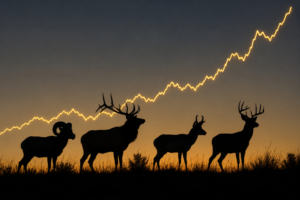
Although the population of bighorn sheep came close to collapse during its darkest years in the 20th century, the species is today one of the great success stories in wildlife management in North America. At one point, only around 25,000 animals remained, but the population has now rebounded to approximately 180,000 individuals.
Targeted game management and sustained investment in nature have reversed the decline of this iconic mountain species.
The story of the bighorn sheep is closely tied to the American model of wildlife conservation, in which hunting plays a central role in funding nature, wildlife preservation, and biodiversity.
In the United States, hunters contribute significantly through license fees, stamps, taxes, and equipment purchases to maintaining habitats and monitoring wildlife populations.
The U.S. approach is based on the principle that natural resources belong to the public, and management decisions are made on the basis of scientific data. This has enabled the recovery of several species that were previously under pressure from excessive hunting and habitat loss.
The success is not limited to bighorn sheep. The pronghorn population has also grown – from around 12,000 to 1.1 million animals – while wapiti (elk) numbers have increased from a low of 41,000 to around 1 million today.
This trend is further highlighted by white-tailed deer, which have risen from 300,000 in the 20th century to more than 30 million animals.
Overall, this development demonstrates how regulated hunting, based on solid knowledge and long-term conservation efforts, can turn even severe population declines into significant recoveries.
Selvom bestanden af bighorn sheep i de sorteste år af det 20. århundrede var tæt på kollaps, er arten i dag en af de store succeshistorier inden for naturforvaltning i
Although the population of bighorn sheep came close to collapse during its darkest years in the 20th century, the species is today one of the great success stories in wildlife
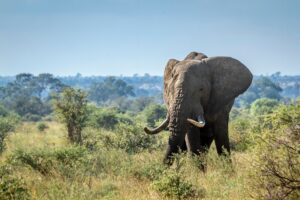
Lugenda Wildlife Reserve i det nordlige Mozambique er et af Afrikas sidste store, relativt uberørte vildmarksområder. Det er et sted, hvor naturbeskyttelse, jagtturisme og moderne forvaltningsmetoder går hånd i hånd.
Lugenda Wildlife Reserve in northern Mozambique is one of Africa’s last large, relatively untouched wilderness areas. It is a place where conservation, hunting tourism, and modern management practices go hand

Andelen af kvindelige jægere er stigende i stort set alle europæiske lande og således også i både Danmark Norge og Sverige. Vi har en del kvindelige medlemmer af Nordisk Safari
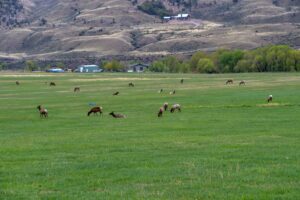
Mens naturbeskyttelse af mange ofte forbindes med nationalparker og offentlige arealer, foregår en stor del af indsatsen i USA på privat jord. Omkring 60 procent af landets areal er privatejet,