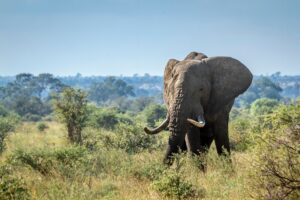
Kampen for Afrikas vildmark
Lugenda Wildlife Reserve i det nordlige Mozambique er et af Afrikas sidste store, relativt uberørte vildmarksområder. Det er et sted, hvor naturbeskyttelse, jagtturisme og moderne forvaltningsmetoder går hånd i hånd.


Lugenda Wildlife Reserve in northern Mozambique is one of Africa’s last large, relatively untouched wilderness areas. It is a place where conservation, hunting tourism, and modern management practices go hand in hand.
The reserve is located in the Niassa region and covers thousands of square kilometers of savannah, miombo woodland, and river landscapes, where classic African species such as elephant, lion, and buffalo still roam freely. At the same time, the area is an established destination for international hunting tourism, where sustainable trophy hunting takes place under strict quotas and with professional guides, while other zones are reserved for photographic safaris.
Revenue from hunting plays a significant role in financing conservation efforts and supporting local communities, illustrating a widely used African management model.
But behind the narrative of wild nature and exclusive safaris lies a far more demanding reality. This is shown in a film by the organization PATROL, which offers insight into the day-to-day running of the reserve. Here, the work is described as logistically complex and often marked by major challenges, ranging from supply chains to security in an area with minimal infrastructure.
The film therefore paints a more nuanced picture of Lugenda — not only as a hunting and safari destination, but as a place where conservation in practice requires substantial resources, technology, and close cooperation with local communities.
You can watch the film HERE
Lugenda Wildlife Reserve i det nordlige Mozambique er et af Afrikas sidste store, relativt uberørte vildmarksområder. Det er et sted, hvor naturbeskyttelse, jagtturisme og moderne forvaltningsmetoder går hånd i hånd.
Lugenda Wildlife Reserve in northern Mozambique is one of Africa’s last large, relatively untouched wilderness areas. It is a place where conservation, hunting tourism, and modern management practices go hand

Andelen af kvindelige jægere er stigende i stort set alle europæiske lande og således også i både Danmark Norge og Sverige. Vi har en del kvindelige medlemmer af Nordisk Safari
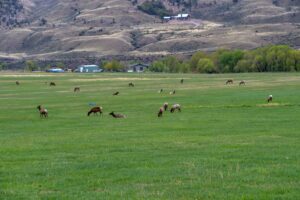
Mens naturbeskyttelse af mange ofte forbindes med nationalparker og offentlige arealer, foregår en stor del af indsatsen i USA på privat jord. Omkring 60 procent af landets areal er privatejet,
While wildlife conservation is often associated with national parks and public lands, much of the effort in the United States takes place on private property. Around 60 percent of the

Er du på jagt efter nye idéer til, hvordan du tilbereder vildt fra egen jagt, er der nu god inspiration at hente på Nordisk Safari Klubs YouTube-kanal. Her har jæger