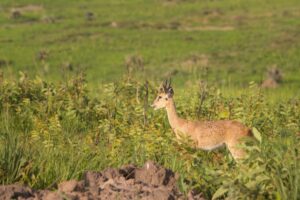
Sydafrikas skjulte succeshistorie
Når debatten falder på naturbeskyttelse, går tankerne for nogle mod nationalparker og statslige reservater. I Sydafrika er en stor del af succesen med bevarelse af natur og truede vildtarter genereret


When people think of wildlife conservation, national parks and state-run reserves often come to mind. In South Africa, however, a significant share of the success in conserving wildlife and endangered species has been driven by private game ranches.
Over the past decades, former agricultural land has been transformed into natural wildlife habitats, with remarkable results. Today, the majority of several of South Africa’s most iconic antelope species are found on private game ranches rather than in state-protected areas.
For example, 97% of the country’s oribi and sable antelope populations, 95% of its roan antelope, 90% of its blesbok, 88% of its bontebok, and 87% of its black wildebeest are found on privately restored wildlife properties.
This development is a powerful example of how sustainable hunting, long-term habitat management, and responsible stewardship can deliver tangible benefits for biodiversity. When wildlife gains economic value through sustainable use, landowners also have a strong incentive to protect and expand habitat for wild animals.
Conservation is not simply about fencing off nature—it is also about active management, investment, and local commitment.
Når debatten falder på naturbeskyttelse, går tankerne for nogle mod nationalparker og statslige reservater. I Sydafrika er en stor del af succesen med bevarelse af natur og truede vildtarter genereret
When people think of wildlife conservation, national parks and state-run reserves often come to mind. In South Africa, however, a significant share of the success in conserving wildlife and endangered
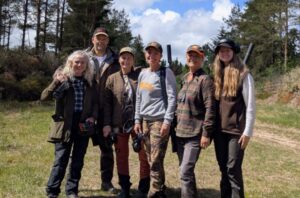
I foråret 2026 afholdt skydeudvalget Jagttræning for kvinder, og det var virkelig hyggeligt og fungerede rigtig fint. I skydeudvalget er vi SÅ glade for den opbakning og frivillighed, der er
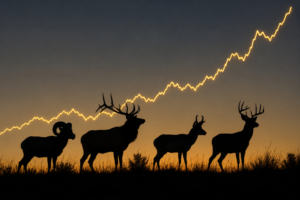
Selvom bestanden af bighorn sheep i de sorteste år af det 20. århundrede var tæt på kollaps, er arten i dag en af de store succeshistorier inden for naturforvaltning i
Although the population of bighorn sheep came close to collapse during its darkest years in the 20th century, the species is today one of the great success stories in wildlife
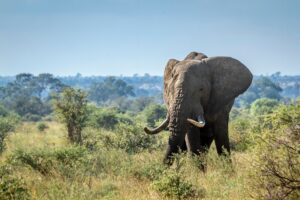
Lugenda Wildlife Reserve i det nordlige Mozambique er et af Afrikas sidste store, relativt uberørte vildmarksområder. Det er et sted, hvor naturbeskyttelse, jagtturisme og moderne forvaltningsmetoder går hånd i hånd.