
Dødelig hjortevildtsygdom breder sig
Den dødelige sygdom Chronic Wasting Disease (CWD) spreder sig i stigende grad blandt hjortevildtet i den amerikanske stat Montana. Data viser, at sygdommen nu er registreret i omkring en tredjedel


The debate over African hunting often turns into a trench war between supporters and opponents. Hunting is either portrayed as the solution or as the problem. Experiences from Zambia, however, suggest that reality is far more complicated.
According to Professional Hunter Thor Kirchner, no single activity can finance the protection of vast natural areas on its own. Hunting makes a significant contribution, but substantial private investments are still required to maintain the private conservancies along the Luangwa River where he operates. In fact, many of these areas are run at a financial loss because their owners prioritize the long-term preservation of wildlife habitat.
At the same time, Kirchner acknowledges that the future will likely depend on a combination of revenue streams. Photographic tourism, hunting tourism, NGO funding, carbon credits, and other nature-based investments can together create a stronger and more resilient foundation for conservation.
Those who wish to eliminate hunting therefore run the risk of removing an existing source of revenue before an alternative has been established. Proposed trophy import bans in Western countries are a particular concern for many conservation stakeholders, who fear the consequences such measures could have on the funding of protected areas.
Perhaps, then, the most relevant question is not whether one is for or against hunting. The critical question is how best to finance the conservation of as many large natural areas as possible in the future.
If the goal is more habitat, more wildlife, and fewer poachers, every conservation model should be judged by its results rather than by ideology alone.
You can currently watch an interview with Professional Hunter Thor Kirchner on the subject of conservation in private game reserves in Zambia on the Nordisk Safari Klub YouTube channel
You can also watch a longer, more in-depth interview in which the Professional Hunter explores conservation, wildlife management, and the role of hunting in conservation
Den dødelige sygdom Chronic Wasting Disease (CWD) spreder sig i stigende grad blandt hjortevildtet i den amerikanske stat Montana. Data viser, at sygdommen nu er registreret i omkring en tredjedel
I forbindelse med World Elephant Day 2026 har dyrevelfærdsorganisationen Humane World for Animals (HWA) offentliggjort en meningsmåling, som viser betydelig modstand mod genindførelse af regulering af elefanter som forvaltningsværktøj i
In connection with World Elephant Day 2026, the animal welfare organization Humane World for Animals (HWA) released a public opinion poll showing significant opposition to the reintroduction of elephant population
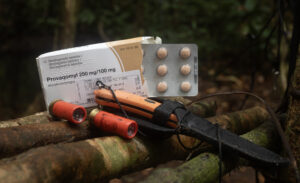
Malaria er fortsat en af de største sundhedsrisici på jagtrejser til mange af verdens mest fascinerende jagtdestinationer. Det måtte konservator Kim Højland erfare, da en jagtrejse til Liberia udviklede sig
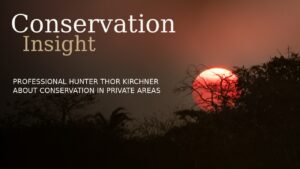
Debatten om afrikansk jagt ender ofte i en skyttegravskrig mellem tilhængere og modstandere. Enten er jagt løsningen, eller også er den problemet. Erfaringerne fra Zambia peger imidlertid på, at virkeligheden
The debate over African hunting often turns into a trench war between supporters and opponents. Hunting is either portrayed as the solution or as the problem. Experiences from Zambia, however,