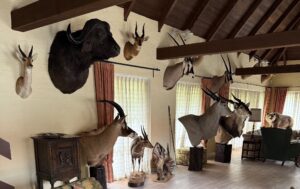
The well-known logo of the Nordic Safari Club features an iconic species from Tanzania’s open grasslands—the Grant’s gazelle. For more than 50 years, the logo continues to represent sustainable hunting and active wildlife management today.
Grant’s gazelle is found in East Africa, particularly in northern and central Tanzania and in Kenya south of the equator. The southern form, most common in Tanzania, has some of the longest horns among gazelles, often wide-spreading and elegantly curved. In the Serengeti region, a distinct form occurs where the white rump patch is divided by a narrow brown stripe, and the horns are less lyre-shaped. The northern Grant’s gazelle is generally smaller, with shorter, more parallel horns. Several local variations exist, differing in coloration and markings. The species inhabits open grasslands and is well adapted to dry environments, playing an important role in the ecosystem. Like many African species, it faces pressure from habitat loss and poaching.
Although many highlight photo tourism as an alternative to hunting, wildlife management in Tanzania deliberately relies on multiple revenue sources. The most famous national parks attract the majority of tourists, while vast and remote areas outside these parks receive limited photographic tourism.
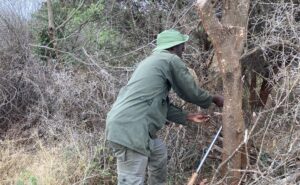
Here, sustainable hunting tourism plays a key role. Under the Tanzania Wildlife Management Authority, hunting is an official component of the conservation strategy, with quotas set based on population data and monitoring. The revenue supports operations, anti-poaching efforts, and local engagement, including within Wildlife Management Areas.
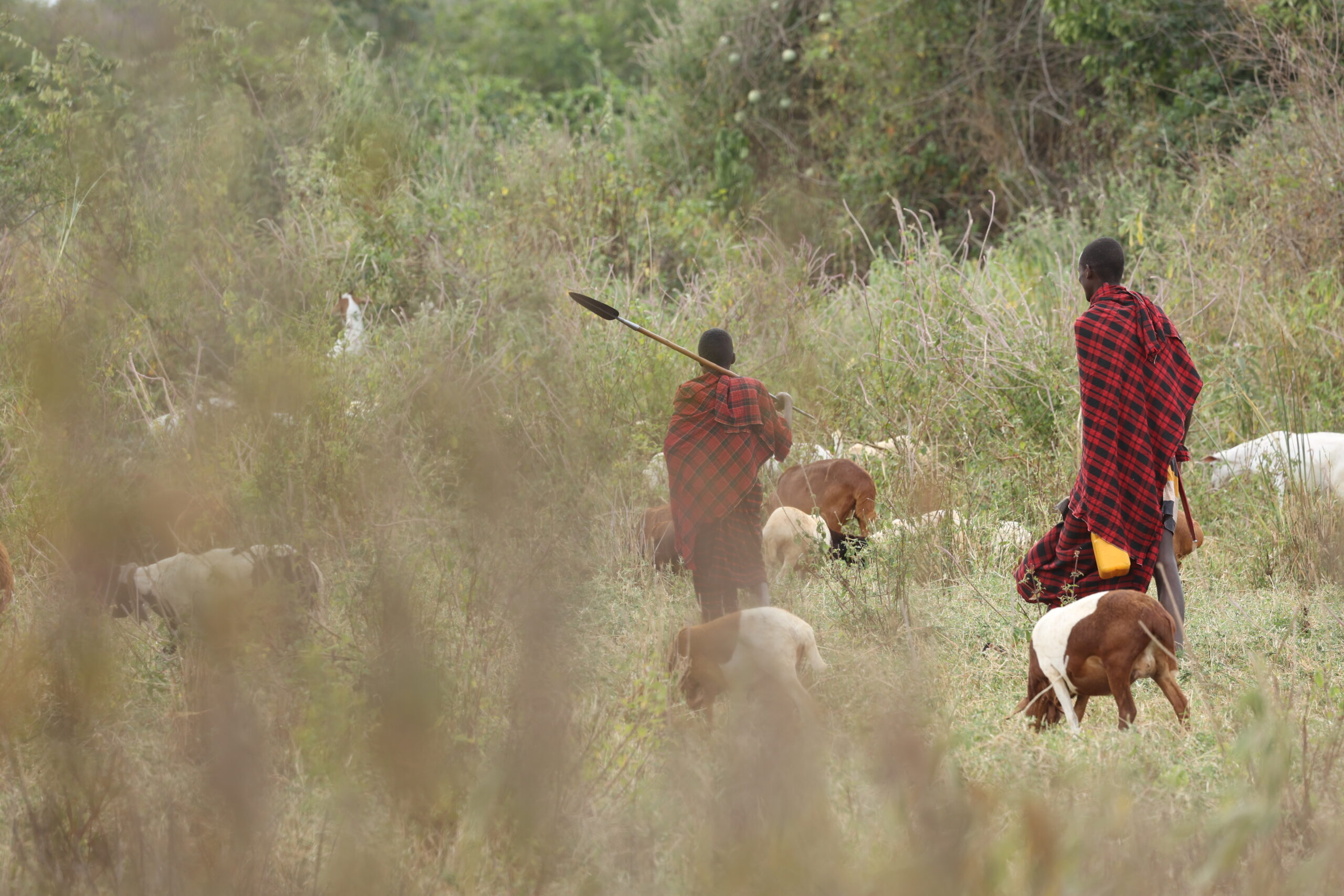
Wildlife Management Areas (WMAs) in Tanzania are natural areas where local communities manage wildlife and benefit economically from it. They enter agreements with both photographic and hunting tourism, with revenues supporting conservation, local livelihoods, and anti-poaching. WMAs often function as buffer zones and create incentives to preserve natural habitats.
The point is not either-or. In Tanzania, both photographic and hunting tourism are necessary to secure funding and protection across entire landscapes—especially in areas that would otherwise have little economic value.
Source: Safari Club International & Tanzania Wildlife Authority – Ministry of Natural Resources and Tourism.