
Dødelig hjortevildtsygdom breder sig
Den dødelige sygdom Chronic Wasting Disease (CWD) spreder sig i stigende grad blandt hjortevildtet i den amerikanske stat Montana. Data viser, at sygdommen nu er registreret i omkring en tredjedel


New images from Kruger National Park have reignited the debate about the impact of elephant populations on one of Africa’s most renowned conservation areas.
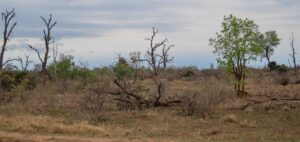
According to an update from the South African conservation organization SUCo-SA, recent observations reveal extensive damage to vegetation and habitats caused by large concentrations of elephants in certain parts of the park. Uprooted trees, stripped bark, and dramatically altered landscapes are raising concerns about the consequences of this growing pressure on the region’s biodiversity.
Kruger National Park is celebrated for its rich wildlife and exceptional natural heritage, but particularly among nature preservation advocates with a romanticized view of nature conservation, a dilemma arises when wildlife populations exceed the carrying capacity of available resources and even iconic species such as elephants begin to have a negative impact on the ecosystem.
SUCo-SA emphasizes that the issue is not about blaming elephants, but rather about the need for balanced, science-based wildlife management. The objective must be to ensure that both elephants and the many other species that depend on the park’s diverse habitats can continue to thrive in the future.
The debate surrounding elephant management has been a sensitive topic in southern Africa for decades, where the interests of conservation, biodiversity protection, and practical wildlife management must be carefully balanced.
Den dødelige sygdom Chronic Wasting Disease (CWD) spreder sig i stigende grad blandt hjortevildtet i den amerikanske stat Montana. Data viser, at sygdommen nu er registreret i omkring en tredjedel
I forbindelse med World Elephant Day 2026 har dyrevelfærdsorganisationen Humane World for Animals (HWA) offentliggjort en meningsmåling, som viser betydelig modstand mod genindførelse af regulering af elefanter som forvaltningsværktøj i
In connection with World Elephant Day 2026, the animal welfare organization Humane World for Animals (HWA) released a public opinion poll showing significant opposition to the reintroduction of elephant population
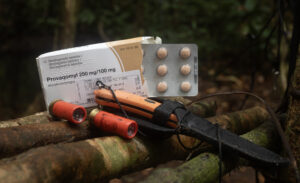
Malaria er fortsat en af de største sundhedsrisici på jagtrejser til mange af verdens mest fascinerende jagtdestinationer. Det måtte konservator Kim Højland erfare, da en jagtrejse til Liberia udviklede sig
Debatten om afrikansk jagt ender ofte i en skyttegravskrig mellem tilhængere og modstandere. Enten er jagt løsningen, eller også er den problemet. Erfaringerne fra Zambia peger imidlertid på, at virkeligheden
The debate over African hunting often turns into a trench war between supporters and opponents. Hunting is either portrayed as the solution or as the problem. Experiences from Zambia, however,