Nordisk Safari Klub

Death Traps in the Bush

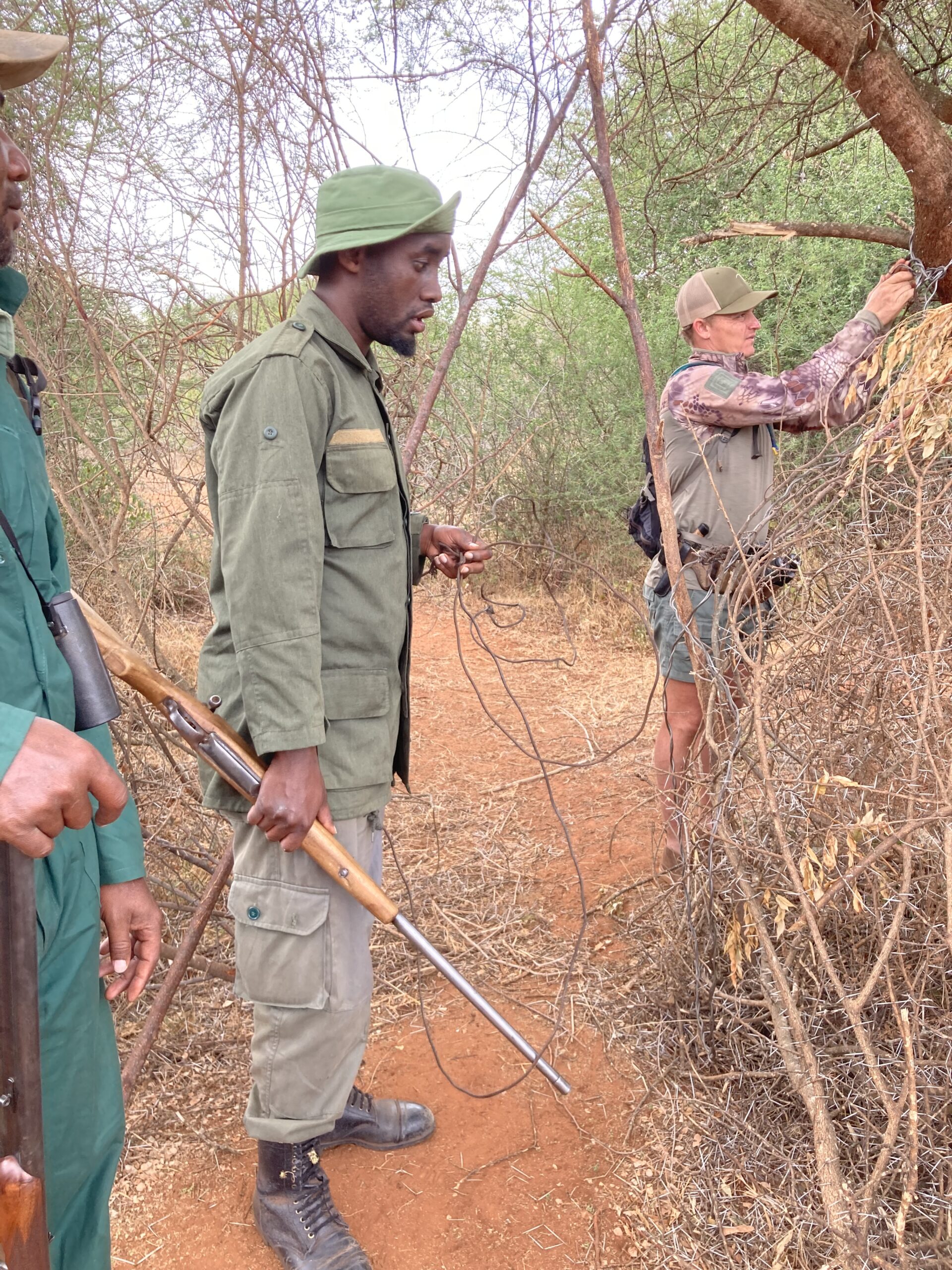
During a safari, I witnessed first-hand how snare trapping can take place. Here, the poachers had begun cultivating the bush. Around the bean fields, they had blocked wildlife access using felled thorn bushes, which were used as fencing. In one corner, they had left the “fence” open, allowing animals to enter the field—something that is tempting for many species.

In the passage leading into the field, a large steel snare had been set. The snare was fastened to a fairly large tree, whose trunk had been cut about halfway through. When smaller animals were caught in the snare, they could be killed on the spot, while larger animals such as eland or buffalo would break the tree and drag it behind them. This made it easy for the poachers to track down the trapped animals, which were then killed by stoning or machete blows.

Snare trapping is among the greatest threats to wildlife in Africa. Snares—often made of steel wire—are set in nature to catch animals, typically as a cheap way of obtaining meat for personal consumption or sale, so-called bushmeat.

The problem with snare trapping is, to a large extent, that not only endangered species but animals of all ages and both sexes are caught. Animals often suffer a slow and painful death. At the same time, many animals escape with severe injuries, making it difficult for them to survive in the wild.

The method is highly inhumane, but at the same time, it is difficult to blame some of the world’s poorest people for taking the opportunity if it arises. The best solution to the problem is to work towards creating the economic means both to combat the issue and to secure a future for local communities. In many of Africa’s remote areas, this is only possible through either aid programs or hunting. Aid programs can be effective as long as funding continues, but fundamentally, sustainable wildlife management through paying hunting tourists is likely the only solution that works in the long term in remote areas.

Jagtfokuseret naturpleje får millionstøtte

Den amerikanske organisation Mule Deer Foundation (MDF) har modtaget en bevilling på 4 millioner dollars til at styrke naturbeskyttelsen i USA’s græslandsområder. Pengene kommer fra National Fish and Wildlife Foundation

Læs mere »

Medlemsmøde på Fyn

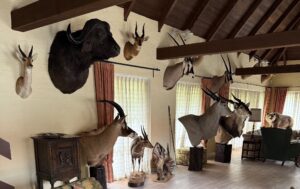
Få en unik oplevelse med en privat rundvisning hos Poul Falck. Vi har fået en helt særlig mulighed for at opleve Poul Falcks imponerende private trofæsamling på Kalørgården i Odense.

Læs mere »

Fra krig til kåring

Ukrainsk konservator satte ny vandt Best of Show da Jagt & Outdoormessen løb af stablen 17.-19. april i Odense. Af redaktionen Da publikum på weekendens Jagt & Outdoormesse skulle udpege

Læs mere »

Dødsfælder i bushen

Under en safari oplevede jeg på nærmeste hold, hvordan snarefangst kan foregå. Her var krybskytterne begyndt at opdyrke bushen. Rundt om bønnemarkene havde de spærret vildtets adgang med hjælp af

Læs mere »