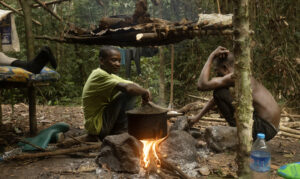
En kompleks problemstilling
Debatten om jagt som redskab i naturbevarelse rummer et indbygget paradoks. For mange virker det selvmodsigende, at det at nedlægge vilde dyr kan bidrage til at bevare dem og deres

Debatten om jagt som redskab i naturbevarelse rummer et indbygget paradoks. For mange virker det selvmodsigende, at det at nedlægge vilde dyr kan bidrage til at bevare dem og deres
The debate about hunting as a tool in conservation contains an inherent paradox. For many, it seems contradictory that the act of harvesting wild animals can contribute to preserving them
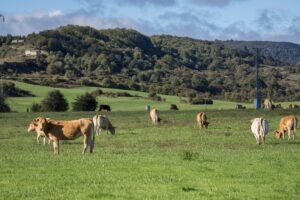
Klodens masse af vilde pattedyr fylder i dag langt mindre end tidligere. For omkring 150 år siden udgjorde vilde pattedyr cirka halvdelen af den samlede biomasse af alle pattedyr på
The world’s wild mammal biomass is significantly smaller today than it once was. Around 150 years ago, wild mammals made up roughly half of the total biomass of all land
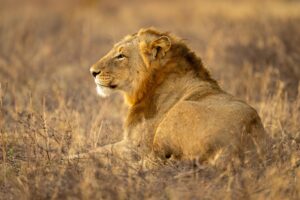
I det centrale Mozambique ligger jagtkoncessionen Coutada 11 – et af Afrikas mest bemærkelsesværdige naturområder, som i dag står som et eksempel på, hvordan natur kan genopbygges efter massiv tilbagegang.
In central Mozambique lies the hunting concession Coutada 11 – one of Africa’s most remarkable natural areas, now standing as an example of how ecosystems can be rebuilt after severe